
Protecting Today to Live Tomorrow
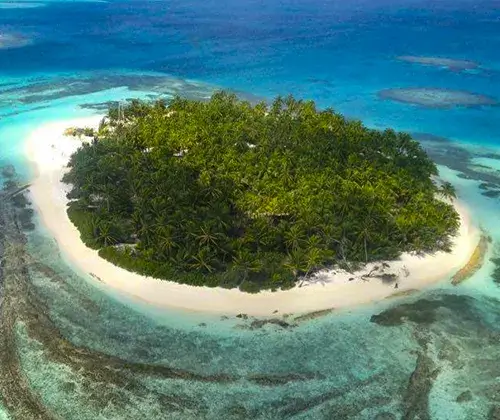
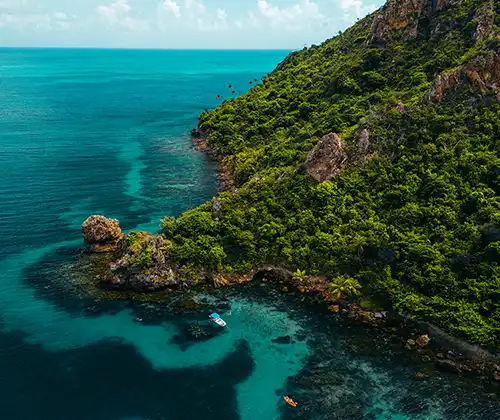
In the Seaflower Biosphere Reserve, located in the Archipelago of San Andrés, Providencia and Santa Catalina, conservation is not just a rule. It is a commitment to life.
This Caribbean paradise hosts one of the richest biodiversities in the Western Hemisphere. To guarantee ecological balance and sustainability, official closed seasons are established. These are periods during which the capture, transport, and commercialization of certain species are prohibited during their most vulnerable stages.
These measures are monitored by CORALINA, the environmental authority responsible for safeguarding the biodiversity of the territory.
Closed seasons are not arbitrary restrictions. They are acts of collective responsibility to ensure that future generations can also live in and enjoy this paradise.
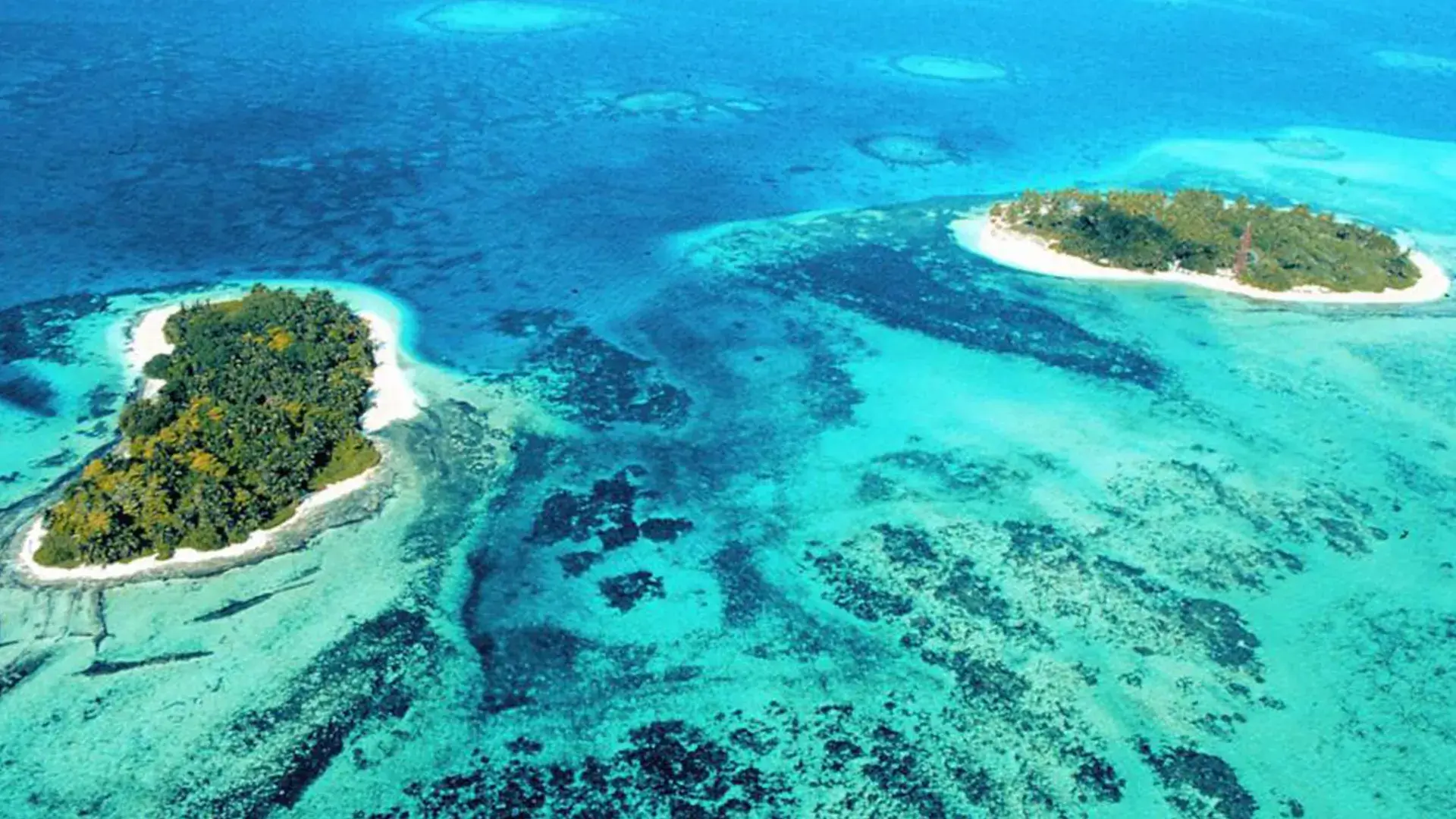
In Providencia, protecting today is preserving the paradise of tomorrow.
Protected Species and Official Closed Seasons
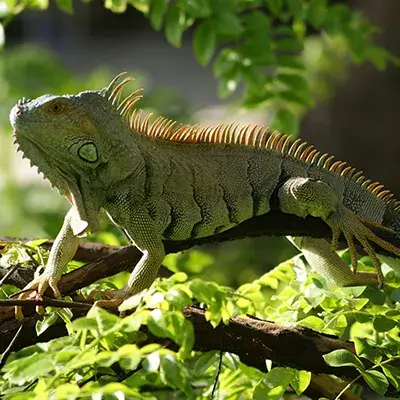
Green Iguana
The green iguana plays an essential ecological role in seed dispersal and maintaining terrestrial ecosystem balance. By feeding on fruits and vegetation, it contributes to the natural regeneration of forests.
San Andrés: January 1 – May 31
Providencia: November 1 – May 31
During these periods, hunting and commercialization are prohibited, allowing the species to complete its reproductive cycle without human pressure.
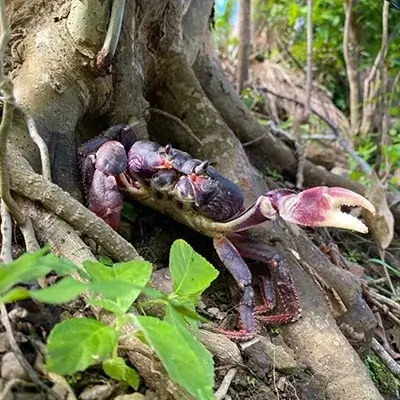
Black Crab
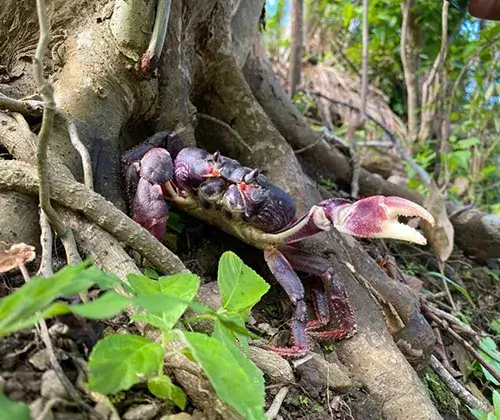
An emblematic species of the archipelago, the black crab stars in one of the Caribbean’s most impressive natural phenomena: its annual migration to the sea to spawn.
April 1 – July 30
Resolutions 156 of 1993 and 1132 of December 30, 2005
During its migration and reproductive stage, special protection measures are activated to guarantee the continuity of the species. Protecting it preserves a natural tradition that forms part of the island’s identity.
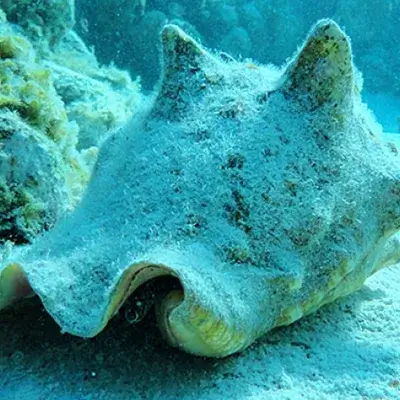
Queen Conch
Internationally known as Queen Conch, this species is one of the Caribbean’s most representative mollusks.
June 1 – October 31
Resolution No. 3312 of November 24, 2010, issued by INCODER
Its historical overexploitation has threatened its populations. For this reason, its extraction is regulated under strict closed seasons that allow reproduction, growth, and natural recovery.
Spiny Lobster
The spiny lobster is one of the most important fishing resources of the archipelago, both economically and culturally.
March 1 – June 30 each year
Resolution No. 0790 of May 25, 2016
Capturing lobster outside the established season affects not only marine ecological balance but also the economic stability of many families who depend on responsible fishing.
Sharks and Rays
As key predators of the marine ecosystem, sharks and rays maintain trophic balance and reef health.
Resolution No. 01743 of August 29, 2017, issued by AUNAP
Permanent prohibition: directed artisanal fishing for their capture is prohibited.
Their protection is essential to conserve the integrity of Seaflower’s marine ecosystems.
Caring for paradise is everyone’s responsibility. Closed seasons do not represent loss. They represent hope. Every species protected today means healthier oceans, stronger forests, and more resilient communities tomorrow.





Local tips, scenic routes, island flavors, and authentic experiences.