
Fair & Dance: The Living Pulse of the Archipelago
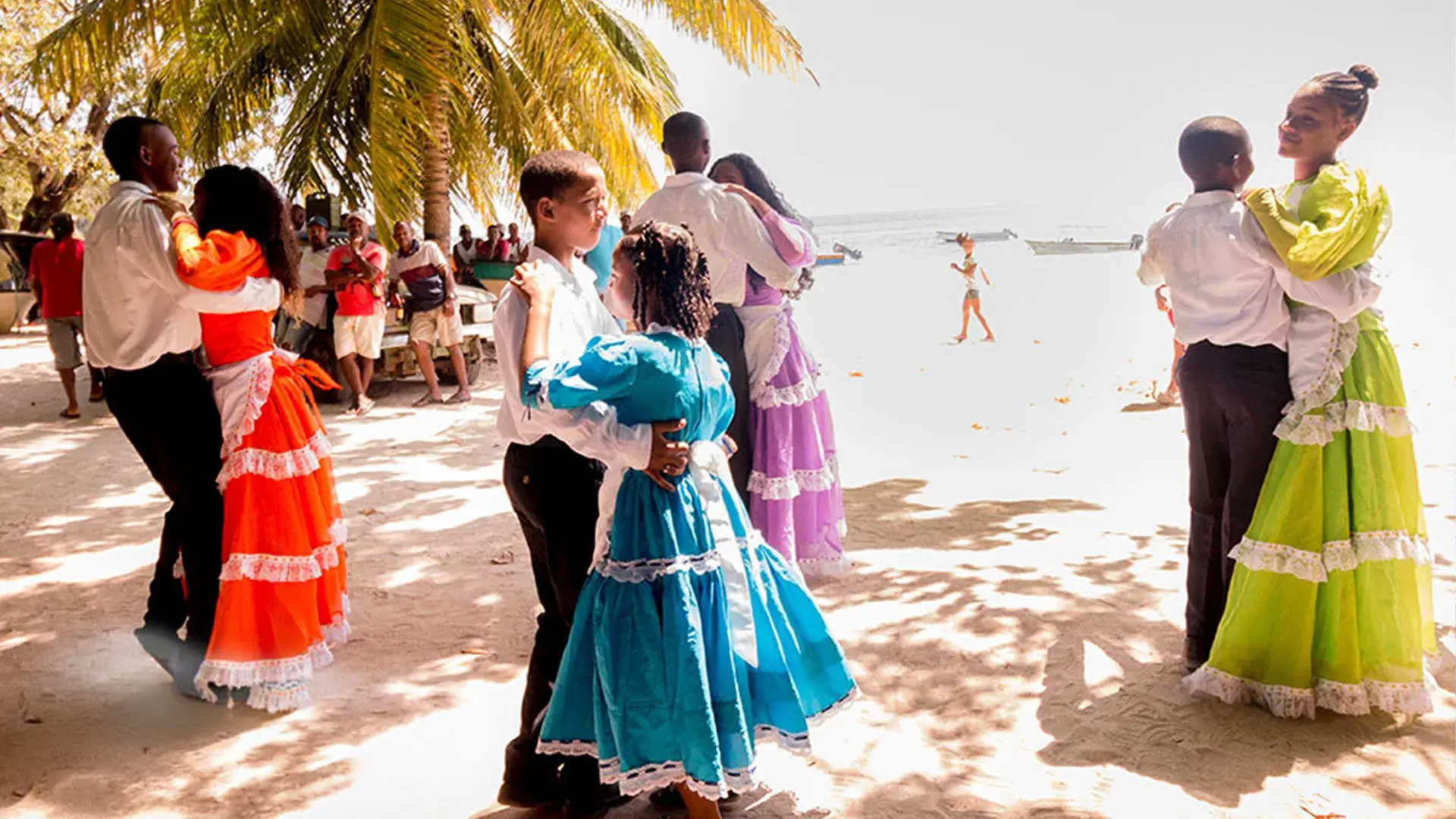
San Andrés is not only white sand beaches and crystal-clear waters. It is also a living melting pot of Afro-Caribbean traditions that beat strongly in every community celebration. In the Archipelago of San Andrés, Providencia and Santa Catalina, Fair & Dance holds a special place. More than a festive event, it is a deeply rooted social and cultural experience within the Raizal community.
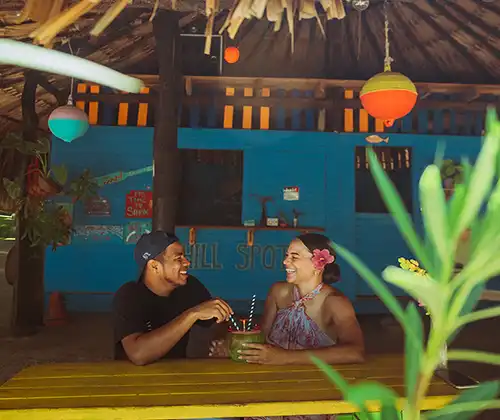
Fair & Dance is an ancestral gathering where music, dance, food, and community come together in a spontaneous, vibrant, and authentic celebration. It is not a commercial festival or a massive production. It is a celebration born from the heart of the community. Raizal families organize, invite, cook, hire musicians, and open their spaces to share with neighbors and visitors.
Learn more about the culture of San Andres and Providence by visiting us
History and Meaning
Although large cultural festivals often capture media attention today, Fair & Dance has much deeper and more popular roots. According to oral traditions and local cultural documentation, these celebrations emerged as spaces of social cohesion where the following elements combined:
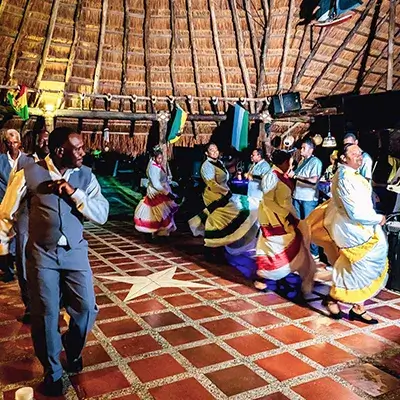
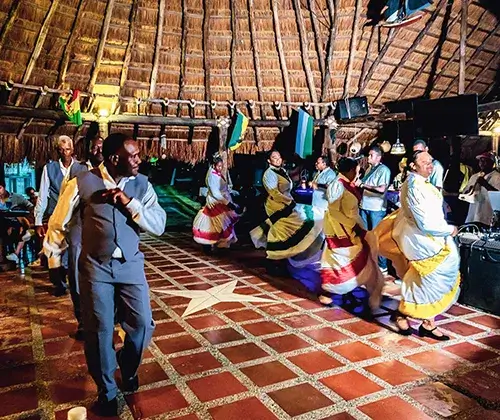
Weeks before the event, women from the community gathered to cook in large quantities, while men collaborated with logistics and setting up the space. As night fell, everyone dressed in their finest outfits, and the dance floor filled with energy, rhythm, and joy.
These gatherings were not only moments of entertainment. They were spaces for cultural transmission. Recipes, dance steps, family stories, and collective memories were shared. The rhythm was not simple amusement. It was living identity.
The sounds of calypso, mento, soca, reggae, and traditional jump-up fill the air and call everyone to the dance floor. Every drumbeat, bass line, and chorus evokes the African, European, and Indigenous heritage that shaped the island’s identity.
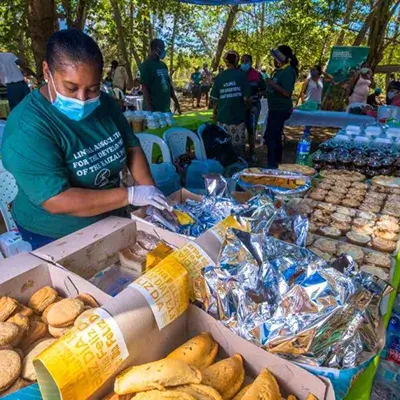
On the table, the traditional rondón takes center stage, accompanied by crab empanadas, arepas de huevo, cakes, coconut sweets, and a variety of homemade preparations that reflect the culinary richness of the insular Caribbean.
Fair Tables: A Powerful Symbol of Unity
Within Fair & Dance, the Fair Tables represent one of the deepest expressions of the Archipelago’s gastronomic identity. They are not simply tables full of food. They are symbolic altars of abundance, collective work, and family love.
Each family contributes something: a stew, a dessert, a traditional drink. The table becomes a mosaic of flavors that reflects the diversity and unity of the Raizal people. No one eats alone. Sharing is the norm, and food circulates as a gesture of hospitality and fraternity.
Fair Tables express essential values such as family unity, with generations cooking and celebrating together; community solidarity, where everyone contributes and everyone enjoys; cultural memory, as recipes transmit history and belonging; and identity resistance, preserving tradition in the face of rapid modernization.
In a world where many traditions transform quickly, Fair & Dance and its Fair Tables continue to be a powerful reminder that culture lives when it is shared.







Local tips, scenic routes, island flavors, and authentic experiences.